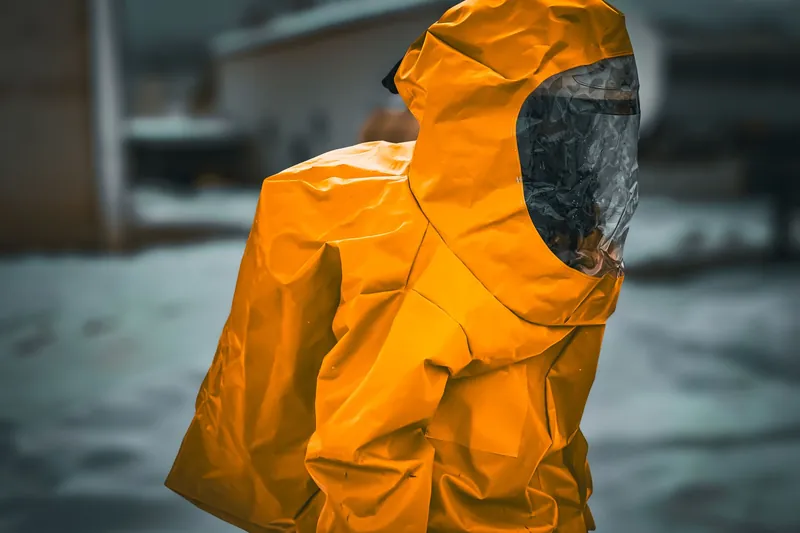
Biohazard Cleanup
Cleanup removes infectious material, including blood and body fluids, and disinfects the property.
See biohazard cleanupKeep everyone away if blood, sewage, bodily fluids or a different biological hazard has left the space unsafe. You can get clear guidance immediately, but cleanup must wait until police or any other officials involved have released the area.
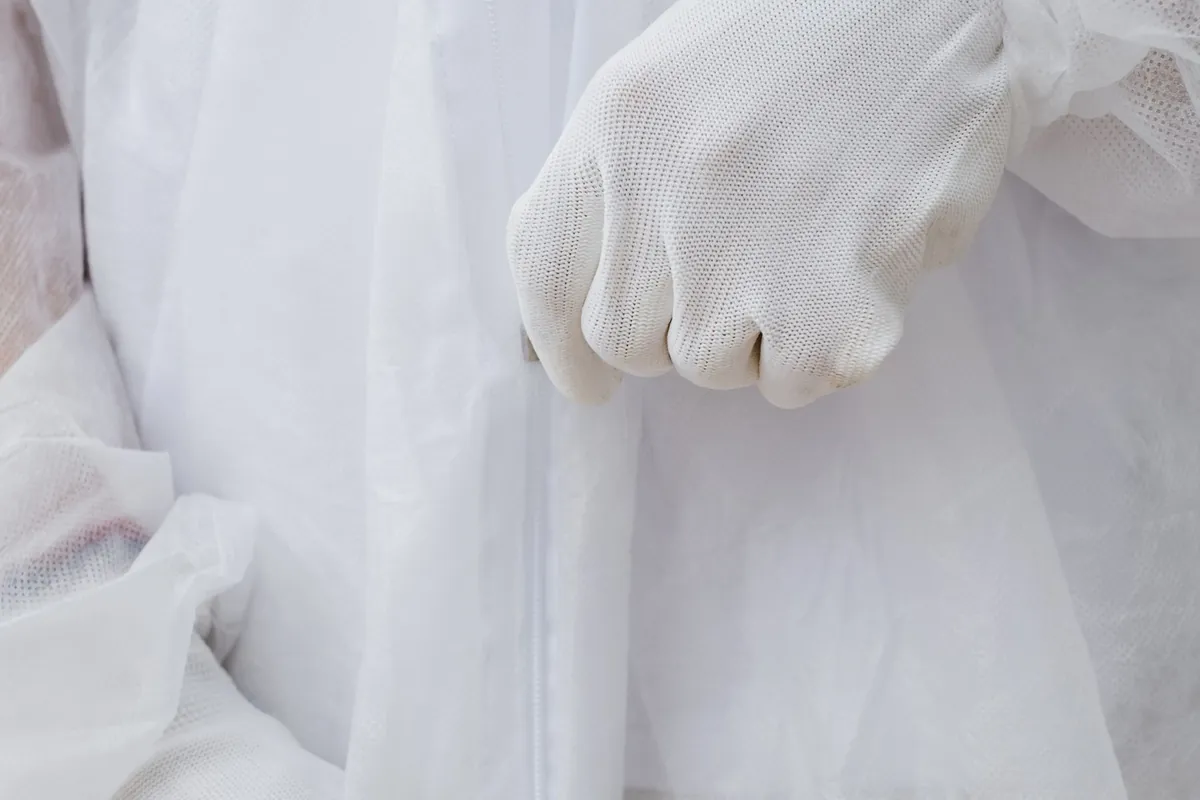
Emergency biohazard cleanup is the urgent containment, removal, cleaning and disinfection of blood, bodily fluids, human waste and other biological contamination that could expose people to illness or injury.
Emergency cleanup may be necessary after an unattended death or crime scene, as well as a trauma, accident, sewage backup or substantial blood spill. The initial priority is stopping biological contamination from spreading beyond the affected space. Technicians locate the impact, establish isolation and organize a safe order for each cleanup task.
Removing what you can see is only ordinary cleaning. Remediation also calls for protective equipment, cautious removal of contaminated materials and cleaning each surface. An EPA-registered disinfectant is then used for all of its label contact time. The remaining work includes hazardous waste packaging, odor treatment and final inspection, with a clean space moving toward normal use as the goal.
You can report the event at any hour, receive safety directions right away and have entry, official release and cleanup needs reviewed.
Your explanation of biohazard remediation to a property manager or insurance company may be supported by photographs, scope records and disposal documents.
Unmarked vehicles are used by cleanup crews. The affected space may be screened from visitors, nearby residents and other areas that remain unaffected.
Before the cleanup process proceeds, you learn which items can be cleaned, which might be removed and what factors influence price.
You may need emergency biohazard cleaning if biological material poses a serious health danger or may move into other parts of a house, workplace or vehicle. These are common examples:
Following a suicide, accident or violent event, affected areas can include one room or several and contain bodily fluids and damaged materials.
A death found after time has passed may require fluid removal, odor treatment and careful sorting of nearby belongings.
Biohazard concerns can develop among clutter when human or animal waste, sharps or spoiled materials are present.
Seams and absorbent layers can be reached when blood affects walls, floors or furnishings. Block access so others cannot approach or track through the spill.
Prevent exposure first, and do not let the contamination spread. While professional cleanup is being arranged, use these steps:
Call (888) 440-9227You will not find a stand-alone figure for emergency work. For a rough frame, Fixr gives $3,000 to $5,000 as typical, starting near $1,500 and running to $25,000 or more for large jobs. How urgent the work is can affect cost, and so can the area and materials. Your actual price is set after an assessment.
The figures shown are national ranges from published cost guides and are not based on an on-site visit. The price for your property is set after the on-site assessment, and you hear it before work starts.
Ask about cost: (888) 440-9227Coverage may be available under some renters, homeowners or commercial policies when a covered sudden event leads to biohazard cleanup. Whether it applies is determined by the policy, its limits and deductible, and the cause.
Save your scene release, claim identifier, photographs, work scope, bills and documentation for waste. Ask what documentation the adjuster requires before work changes the scene.
Victims of violent crime can ask their judicial district's Crime Victim Compensation program whether cleanup costs can be included in a compensation claim, since several district programs list crime scene cleanup. Insurance is usually checked first.
When contacting the insurance company, describe what occurred and confirm whether cleaning, removal, odor treatment and future repairs are covered by the claim.
The renter needs to contact the landlord or management for the property. Who is responsible may vary with the contamination location, its cause, the lease and applicable policy.
To protect clean areas from contamination, emergency work proceeds in a controlled order. No two situations are identical, but these steps are usually part of the cleanup:
Cleanup technicians determine the contamination type and trace the affected area while noting materials, entry limits and current safety concerns.
Clean spaces are isolated from the work area. The exposure risk and required work determine which protective gear and clothing are used.
Contaminated debris and fluids are gathered in a way that limits their spread. Controlled sections of material are taken out when complete cleaning is not possible.
Disinfection starts after visible debris is removed. The disinfectant can reach the underlying surface after debris is cleaned away.
An EPA-registered disinfectant is applied to surfaces that can be cleaned, which remain wet for the entire label contact time.
Contaminated materials and sharp objects are sealed in suitable containers before transport under medical or regulated waste rules.
After the source is removed, air scrubbers and other suitable treatments can address particles and odor in the room and nearby air paths.
The work area is checked for remaining contamination. Property owners and insurance companies can receive clearer work details through images, scope documentation and records for disposed waste.

You can call anytime. You speak with an emergency 24/7 biohazard cleanup specialist who outlines the process and schedules a start time with you.
Serious health risks can come from sewage, sharps, blood and body fluids, regardless of whether the area seems dry or limited in size.
Blood may carry hepatitis B, hepatitis C or HIV. Dried blood needs cautious handling because, according to the CDC, hepatitis B may live on surfaces for at least seven days.
You may feel upset by a sudden biohazard, especially after someone dies or a traumatic event occurs. You can stay away from the scene and ask a trusted person to coordinate access.
You could be exposed or cut by contaminated porous items, glass fragments or needles. Those items must be packaged securely and discarded according to relevant waste rules.
Can you clean it yourself? Fresh blood limited to a few drops on a sealed hard surface may be cleaned while wearing disposable gloves and following the full contact time on an EPA-registered disinfectant label. Seek professional cleanup when the source is unknown, the spill reached porous material, sharps are present or you cannot see its full boundary.
If a surface is accessible and allows full cleaning and disinfection, it can be kept. A porous item must be removed once contamination has soaked past the point where cleaning will work.
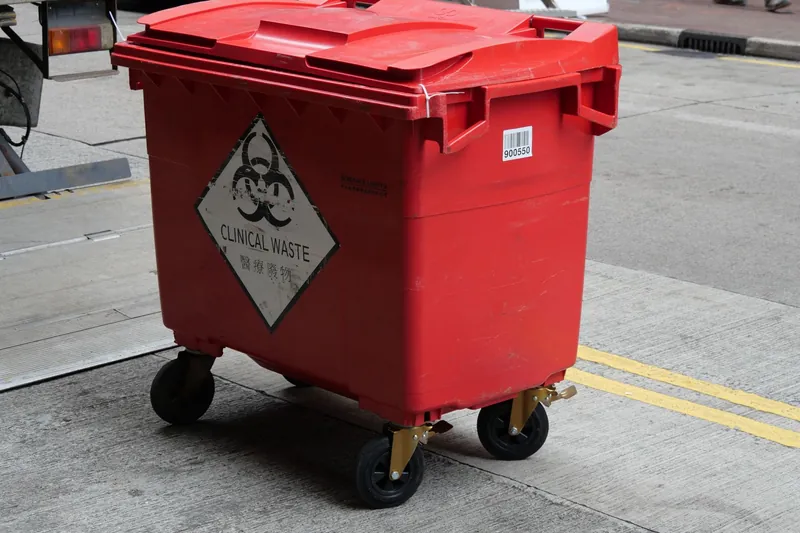
For jobs where blood contact is possible, workplace training, protective equipment, exposure safeguards and related methods are governed by the OSHA Bloodborne Pathogens Standard.
Disinfectant selection must account for the target organism and type of surface. The surface stays wet for the contact time printed on the product label.
Colorado treats waste that can cause infectious disease, including human blood and body fluids, as infectious waste. The Colorado Department of Public Health and Environment's medical waste rules apply to its handling, so it should not go in household trash.
Colorado has no statewide medical examiner. Death investigation is county-based, led mostly by elected county coroners, with a few counties using a medical examiner or coroner. Cleanup starts after police or the coroner release the scene.
A fixed completion time cannot be given for this cleanup. Timing depends on what contaminated the space, how many areas it reached and the affected materials. The schedule also reflects whether fluid entered concealed layers and when the scene becomes released.
The full emergency 24/7 biohazard cleanup guide covers what is cleaned or removed, odor and air quality work, and the rules that apply in Colorado.
Read the full emergency 24/7 biohazard cleanup guidePlanning for access, containment and cleanup can depend on local population, housing and entry conditions.
HCA Healthone Presbyterian St. Luke's is about 0.5 miles from Capitol Hill, which is useful to know when an exposure or injury needs medical attention.
Properties near Civic Center, North Capitol Hill, and Cheesman Park can share street names, so confirm the house number, unit and ZIP code.
Neighborhood level directions help narrow the location, but crews still need entrance details before bringing containment and cleaning equipment inside.
Your phone conversation can include questions about service in nearby ZIP codes and communities.
Cleanup removes infectious material, including blood and body fluids, and disinfects the property.
See biohazard cleanup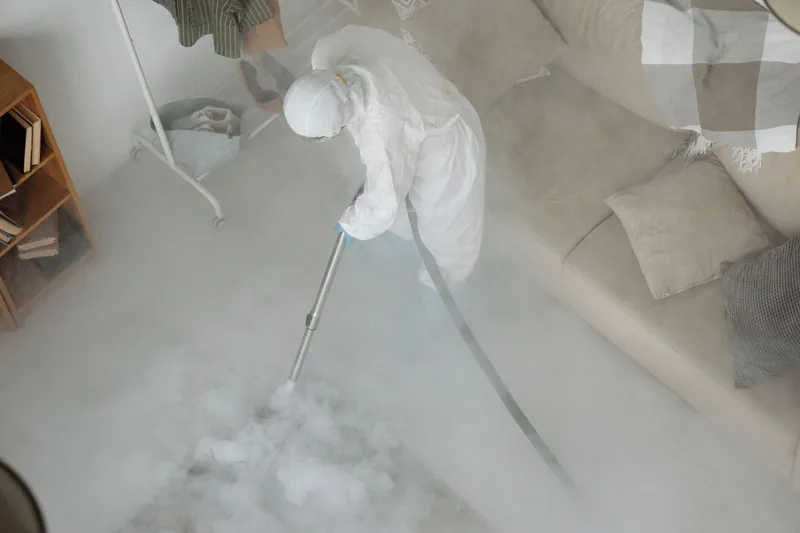
Rooms, surfaces and air receive complete decontamination following infectious or hazardous exposure.
See biohazard decontamination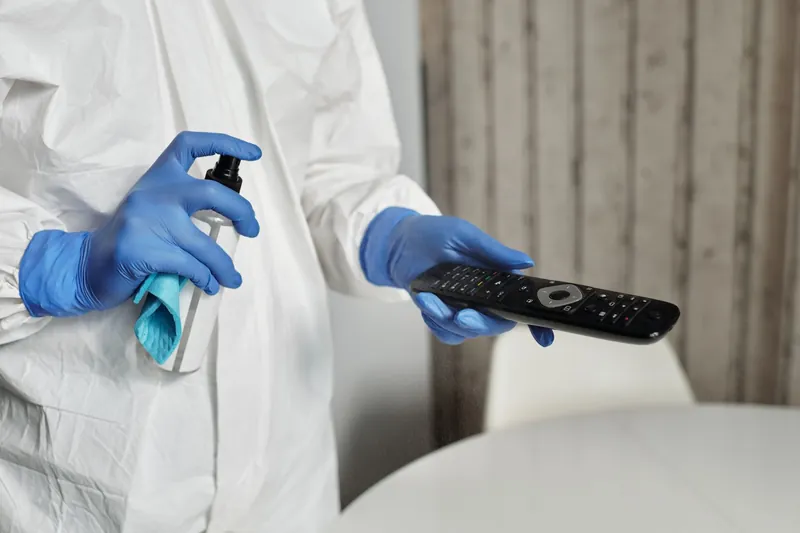
Biological remediation removes contamination so the space can be safely used again.
See biohazard remediation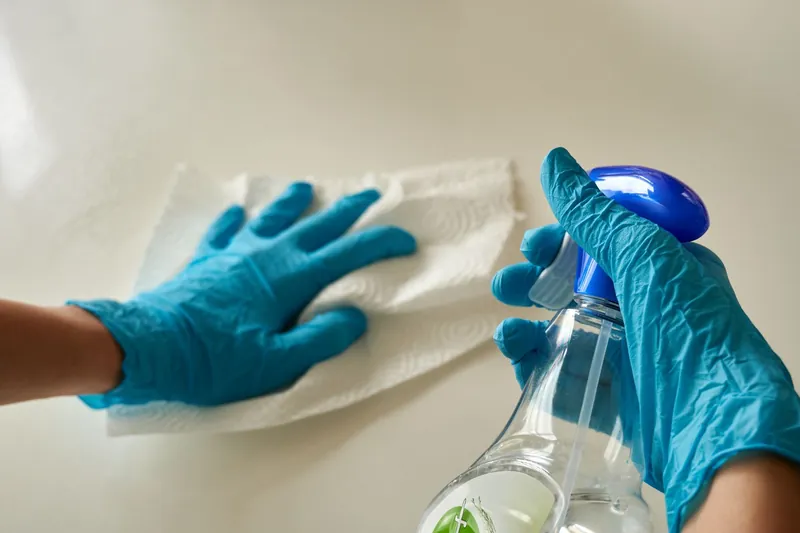
Blood cleanup on carpet, hard floors, walls and furniture with safe disposal.
See blood cleanup
Trauma scene cleanup is needed after violent events, accidents and injuries.
See trauma scene cleanup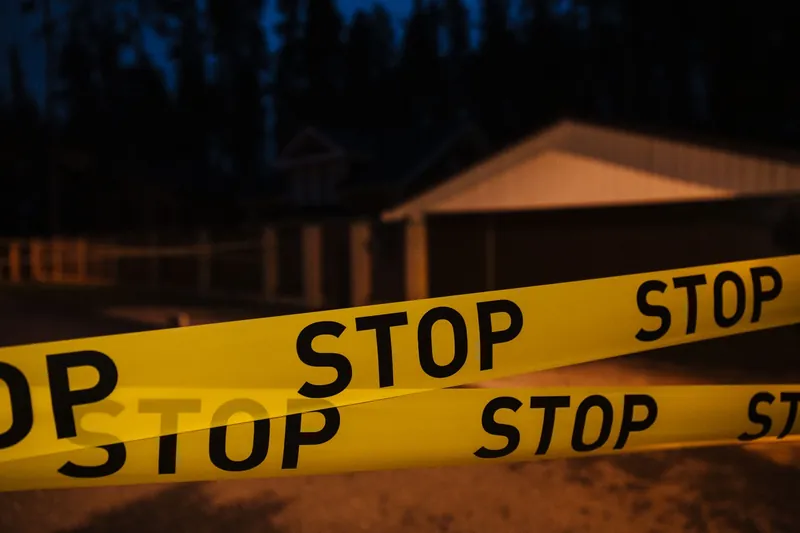
After the property is released by police, crime scene cleaning removes blood and controls odor.
See crime scene cleanup
Cleanup after an undiscovered death includes odor control and the effects of days of decomposition.
See unattended death cleanup
Raw sewage cleanup of Category 3 black water, with disinfection and drying.
See raw sewage cleanupUsing gloves and disinfectant registered by the EPA for the entire contact time may make a few fresh drops of your blood manageable on sealed hard material. Leave cleanup to professionals if you cannot identify the source or full spill area, or when sharp objects or porous surfaces are involved.
Coverage may apply. Whether coverage applies is determined by what caused the event, policy terms, exclusions, limits and your deductible. Contact the insurance company and ask about biohazard cleanup, material removal, odor treatment and restoration. Save the scene release, photographs, claim identifier, work scope, bills and waste documentation.
Keep clear of the spill, prevent access and use 911 if someone needs medical help. Leave blood and sharps untouched, await law enforcement release of a controlled scene, report occupational exposure properly and schedule cleanup. Do not walk through the affected area or start household cleaning.
Yes. Treat blood that has dried as material that may remain infectious. The CDC states that surface survival for hepatitis B can reach at least seven days. Leave the material undisturbed rather than using a scraper, broom or vacuum that could spread it. For contamination beyond one small surface mark, keep people back and seek proper cleaning.
Emergency biohazard cleanup is urgent cleaning and disinfection after blood, bodily fluids, human waste, sewage or another biological contaminant affects a property. The work includes containment, removal of materials that cannot be cleaned, disinfection, waste disposal and odor treatment. Cleanup waits until police or the responsible officials release the controlled scene.
Biohazards may include sewage, blood, specific bodily fluids, human waste, sharp objects and anything contaminated by those substances. Risk varies with origin, amount, affected surface and possible exposure path. Keep everyone back and request guidance prior to cleaning or contact when you cannot identify the source or complete extent.
Respectful, discreet emergency 24/7 biohazard cleanup is available 24 hours a day, and crews arrive in unmarked vehicles.